عربي
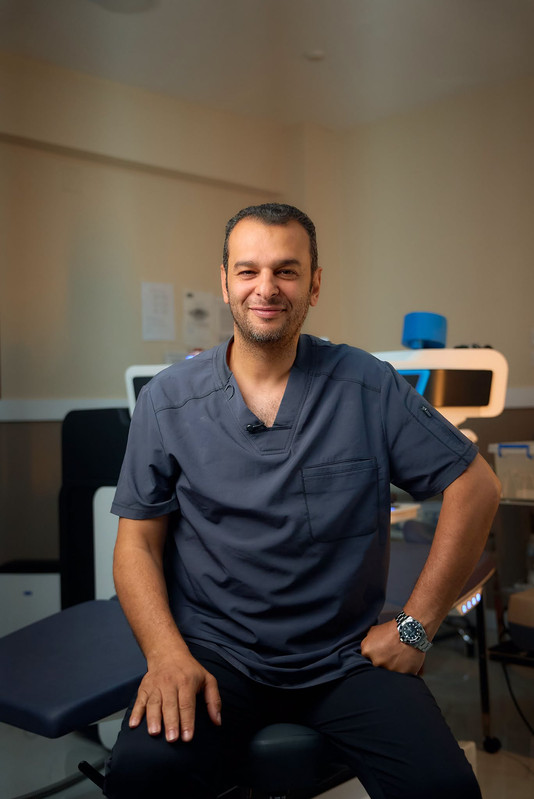
Mivida, New Cairo Consultant Dr. Mohamed El-Naggar

Keratoconus Treatment & Vision Improvement with Advanced Techniques

Accurate diagnosis and advanced treatment options including Corneal Cross-Linking, Intracorneal Ring Segments (ICRS), and Corneal Transplantation to restore clear vision and protect your eyes from progression.

Book a Corneal Assessment

Comprehensive exam · Our team will call within 15 minutes


Prefer WhatsApp? Chat on WhatsApp

Understanding Keratoconus

Keratoconus is a progressive eye condition in which the normally round cornea thins and begins to bulge into a cone-like shape, causing distorted vision.

1

Corneal Thinning

Weakening of the structural collagen fibers in the cornea, impacting how light enters and focuses in the eye.

2

Conical Bulging

Gradual transformation of the corneal shape from smooth and spherical to an irregular conical contour.

3

Visual Distortion

Increased irregular astigmatism and blurry vision that cannot be fully corrected with standard eyeglasses.

Warning Signs to Watch For

If you experience any of these symptoms, a detailed Corneal Topography assessment is highly recommended.

Frequent Prescription Changes

Needing to change your eyeglass or contact lens prescription repeatedly within short periods.

Distorted & Double Vision

Experiencing streakiness, ghosting, or multiple images when viewing objects with one eye covered.

Light Sensitivity & Halos

Increased glare, halos around bright light sources, and difficulty driving at night.

Advanced Treatment Options

Treatment plans are customized based on the progression stage, corneal thickness, and patient age.

Corneal Cross-Linking (CXL)

A minimally invasive procedure using UV light and riboflavin to strengthen corneal collagen bonds and halt progression.

Intracorneal Ring Segments (ICRS)

Micro-thin arc inserts placed in the cornea to flatten the cone, reduce astigmatism, and improve vision clarity.

Corneal Transplantation

A surgical procedure reserved for advanced stages to replace damaged corneal tissue with healthy donor tissue.

Consultant Dr. Mohamed El-Naggar

Consultant Dr. Mohamed El-Naggar

Consultant Ophthalmic Surgeon, Cornea & Refractive Specialist

  • ✓ Fellow of the Royal College of Surgeons (FRCS), UK
  • ✓ Over 10,000 successful ophthalmic and refractive procedures performed
  • ✓ Specialized in advanced Keratoconus management and corneal surgeries
  • ✓ Member of the European Society of Cataract and Refractive Surgeons (ESCRS)

Frequently Asked Questions

Comprehensive medical answers covering diagnosis, treatment paths, costs, and recovery.

Keratoconus occurs when the collagen fibers supporting the cornea weaken, causing it to bulge into a cone shape. Risk factors include genetic predisposition, systemic allergies, and chronic vigorous eye rubbing.
The primary goal of Corneal Cross-Linking is to halt disease progression and prevent further visual loss, not to correct refraction. However, some patients notice minor flattening and improvement in overall visual quality.
Cross-linking hardens and strengthens corneal tissue to freeze progression. Intracorneal Ring Segments (ICRS) are micro-thin arc implants designed to reshape the bulging cornea, flattening the cone and reducing irregular astigmatism.
No, traditional LASIK and Femto-LASIK are strictly contraindicated for Keratoconus patients because removing tissue weakens the already unstable cornea. Alternative safe options include CXL, ICRS rings, or Phakic IOLs.
A corneal transplant (DALK partial-thickness or PKP full-thickness) is reserved for advanced cases with central corneal scarring or severe corneal thinning where cross-linking or rings are no longer viable.
Keratoconus typically manifests during adolescence (ages 12 to 25). Treatment should be performed as soon as progression is documented at any age to preserve baseline vision before significant distortion occurs.
Initial epithelial healing takes 3 to 5 days with a temporary bandage contact lens. Most patients comfortably return to work and routine daily activities within 7 to 10 days using prescribed medicated drops.
No, Keratoconus does not cause complete dark blindness. Unmanaged cases can lead to severe visual impairment, but early intervention completely prevents severe loss of sight.
Cost varies based on the required treatment plan (CXL, Femtosecond-guided Ring Implantation, or Corneal Grafting), equipment technology used, stage of corneal thinning, and whether combined procedures are necessary.
Yes, once the progression is halted with CXL or reshaped with rings—complemented by corrective lenses or specialized Scleral Contact Lenses—patients achieve clear visual acuity that meets driving license standards.

Book Your Consultation Today

Fill out the form below and our medical team will reach out to confirm your slot.

📱